
The labour market is changing rapidly. Sometimes too fast. Skills are becoming obsolete, employers’ demands are growing, and the skills gap between education and actual work is becoming more noticeable. In such a situation, short courses and short-term training programmes become more than just useful. They become necessary.
Employees need workforce skills, students need job readiness, and organisations need employee performance and productivity improvement. That is why corporate training, workforce development, and professional development programmes are being actively implemented in various sectors of the economy.
Many students today also turn to career training courses that provide focused, practical knowledge in a short time. These programmes are designed to bridge the distance between academic learning and workplace expectations.
Research shows an interesting pattern. About 80% of employees believe that training programmes improve their work. At the same time, organisations that actively invest in workplace training get tangible results. On average, there is a 17% increase in productivity and about a 21% increase in profits. Such indicators explain the growing interest in continuing education and lifelong learning.
Why Short-Term Learning is Becoming More Important

When it comes to job preparation, traditional education is often insufficient. It provides the foundation. But it does not always provide practical skills and workforce readiness.
That is why short courses focus on experiential learning, competency-based education, and practical learning. Learning is becoming more applied. Knowledge turns into a skill application faster. This is especially important now. Since 2015, work skills have changed by about 25%. And this is just the beginning. Research predicts that by 2027, the structure of skills may change by almost 100%. In such circumstances, upskilling and reskilling become part of normal professional life.
At the same time, the demand for different categories of skills is growing. Employers are looking for people with analytical thinking, problem-solving, creative thinking, and adaptability. Meta skills and soft skills are increasingly appreciated. At the same time, the need for digital skills and technical skills is increasing, especially in the fields of data analysis and artificial intelligence. The demand for such skills is expected to grow by about 60% by 2027.
Many learners therefore look for specialised support systems that combine training and career guidance. Institutions such as the Career Enhancement Center in Ajman provide structured programmes designed to develop workplace skills and improve employability through targeted learning paths.
How Does Training Affect Employee Performance?
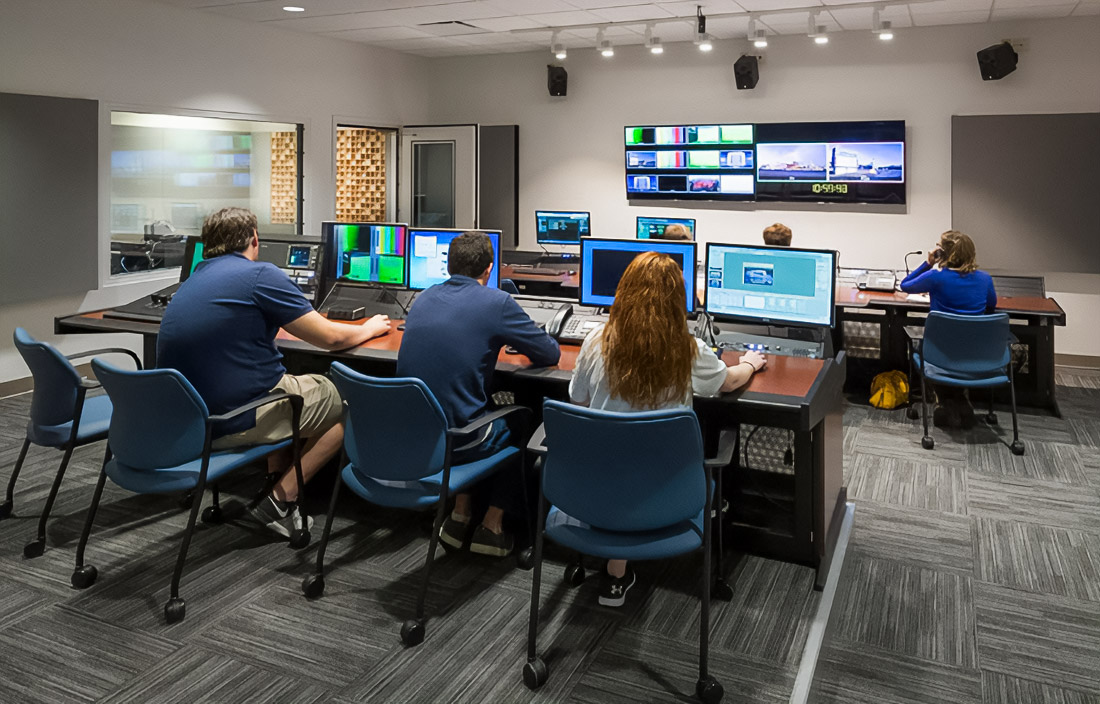
Learning rarely remains a theory. In most cases, it directly affects employee performance improvement. After participating in training programmes, employees are more likely to demonstrate a higher level of confidence. Approximately 51% of employees report an increase in confidence after training. This directly affects job satisfaction.
Another notable effect is the improvement of time management skills. About 41% of employees say that they have become better at managing their time after completing the training.
When communication skills, collaboration skills, and problem-solving skills develop, the work of the team also changes. Team collaboration is becoming more effective. Work processes are accelerated. There are fewer errors.
The learning culture is gradually being formed. People are starting to perceive learning as a part of work. Training participation is growing. Along with this, professional growth is developing.
What Skills Do Short-Term Programmes Develop?

Most short-term training programmes focus on developing the critical skills needed for the job.
These skills include several key categories.
The first is technical skills. These are specific professional competencies.
The second is digital skills related to the use of technologies and tools.
The third is soft skills. It’s about communication, collaboration, and time management.
The fourth is meta-skills. For example, critical thinking, creativity, and adaptability.
When these skills are combined, a high level of employability is formed. Employers value just such combinations. Theory is important. But practical learning and experiential learning are becoming more and more appreciated.
Employee Training And Retention
Companies are increasingly considering workforce training as an employee retention tool.
The reason is simple. People want to develop. When employees gain access to professional development, they are more likely to stay with the company.
The research shows an illustrative result. Employees who receive training opportunities are about 75% more likely to stay in the organisation. Training creates career pathways and career advancement opportunities. This increases employee engagement. People see the future. There is a feeling of growth.
Preparing Students For Work
The problem of job preparation concerns not only employees. It also applies to students.
The survey of almost 5,000 students and graduates showed mixed results. 66% consider themselves ready for work. But at the same time, 35% admit that they feel inadequately prepared.
The difference between education levels is noticeable. Among undergraduate students, 46% consider themselves insufficiently prepared. This figure is lower among master’s degree students – about 26%.
The work experience plays a special role. Practical experience changes the situation. Among students with work experience, 69% feel ready for employment. Among students without such experience, only 56%.
Employers confirm this trend. About 72% of employers believe that graduates with internship experience come to work with stronger skills.
Practical Training And Bootcamp Models
To eliminate the skills gap faster, bootcamp programmes and project-based learning are increasingly being used. Such programmes focus on practice. Participants work on real-world case studies, create projects, and develop a portfolio.
As a result, not only does the certificate appear. A professional portfolio appears, demonstrating the skill application.
In addition, bootcamp programmes often include additional training elements:
- Mentorship from industry experts
- Career services and job placement support
- Interview preparation and soft skills development
This training structure significantly enhances job readiness.
The Economic Role of Short-Term Education
Short-term education programmes don’t just affect individuals’ careers. They also affect the economy. For example, studies show that 78% of people aged 20-29 with professional degrees have a job. At the same time, each additional certificate can increase income by about 1-2%.
Even one short-term course can increase income by about 2%.
Investments in such programmes are growing. About $5.6 billion has been invested in short-term education initiatives, which include 70 educational initiatives in 32 regions.
Another observation is also interesting. Despite the scale of investments, only 4-8% of training programmes systematically measure training ROI. At the same time, 94% of specialists believe that the effectiveness of training should be evaluated regularly.
The Skills Gap and The Future of Work
Skills gap remains one of the main problems of the labour market.
Research estimates that about half of workers may need reskilling by 2025. If the skills gap is closed, it could add an estimated $11.5 trillion to the global economy by 2028. In addition, the importance of education is growing. In some developed economies, about 90% of new jobs require higher education or professional qualifications.
This makes career and technical education, workforce development programmes, and employment initiatives especially important.
Short courses and short-term training programmes are gradually becoming an important part of the job preparation system. They help develop technical skills, digital skills, and soft skills, enhance employee performance, and enhance workforce competitiveness. The main advantage of such programmes is flexibility. They react faster to changes in the labour market. They are focused on practical learning and experiential learning. They help people develop career pathways and support lifelong learning.
That is why short-term training programmes are increasingly seen as one of the most effective ways to prepare for work and develop professional skills.

I am inspired daily by my wife and two daughters. In my free time, I like to hike, and play video games with my grandson.